Planning for a Secure Retirement with Wealthsimple

Introduction to Retirement Planning
Retirement planning is the process of determining retirement income goals and the actions and decisions necessary to achieve those goals. It encompasses identifying sources of income, estimating expenses, implementing a savings program, and managing assets and risk. Effective retirement planning allows individuals to maintain their desired lifestyle after they stop working. It's crucial to start early, as time is a significant factor in growing your investments and maximizing returns. Delaying planning can limit your options and potentially require more aggressive (and riskier) investment strategies later in life.
At Wealthsimple, we understand that retirement planning can seem daunting. That's why we provide simple, accessible, and transparent investment solutions to help you navigate the complexities of saving for your future. Our goal is to empower you with the knowledge and tools you need to make informed decisions and achieve your financial aspirations.
Different Retirement Accounts
Several types of retirement accounts are available, each with its own unique characteristics and tax advantages. Understanding the differences between these accounts is essential for choosing the right options for your individual circumstances:
- Registered Retirement Savings Plan (RRSP): An RRSP is a retirement savings plan registered with the Canadian government. Contributions are tax-deductible, reducing your taxable income in the year of contribution. The investment growth within the RRSP is tax-sheltered until withdrawal during retirement, at which point it is taxed as income.
- Tax-Free Savings Account (TFSA): A TFSA allows you to save and invest money tax-free. Contributions are not tax-deductible, but investment growth and withdrawals are also tax-free. This makes it an attractive option for individuals who anticipate being in a higher tax bracket during retirement.
- 401(k) (US): A 401(k) is a retirement savings plan sponsored by an employer in the United States. Contributions are often made through payroll deductions, and employers may offer matching contributions. Like RRSPs, 401(k) contributions are typically tax-deductible.
- Individual Retirement Account (IRA) (US): An IRA is a retirement savings plan available to individuals in the United States. Traditional IRAs offer tax-deductible contributions, while Roth IRAs offer tax-free withdrawals in retirement.
- Defined Benefit Plans: These are traditional pension plans where the employer guarantees a specific monthly payment upon retirement, often based on salary and years of service. These plans are becoming less common.
- Defined Contribution Plans: These plans, such as 401(k)s and RRSPs, allow employees (and sometimes employers) to contribute regularly. The retirement income depends on the amount contributed and the investment performance.
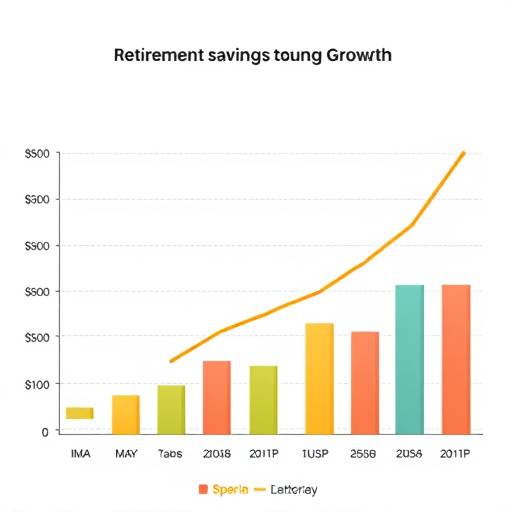
Tax Advantages of Retirement Accounts
One of the most significant benefits of using dedicated retirement accounts is the tax advantages they offer. These advantages can significantly boost your savings over time:
- Tax-Deductible Contributions: RRSPs and traditional IRAs allow you to deduct your contributions from your taxable income, reducing your tax burden in the present.
- Tax-Sheltered Growth: Investment growth within RRSPs, TFSAs, 401(k)s, and IRAs is not taxed until withdrawal, allowing your savings to compound more rapidly.
- Tax-Free Withdrawals: TFSAs and Roth IRAs offer tax-free withdrawals during retirement, providing a predictable source of income without the burden of taxes.
Understanding and utilizing these tax advantages is crucial for maximizing your retirement savings. Consider consulting with a financial advisor to determine the most tax-efficient strategies for your individual circumstances. Wealthsimple advisors like Eleanor Vance are readily available to assist you.
Retirement Planning Tips
Effective retirement planning involves more than just choosing the right accounts. Here are some essential tips to help you stay on track:
- Start Early: The earlier you start saving, the more time your investments have to grow through the power of compounding.
- Set Realistic Goals: Estimate your retirement expenses and determine how much you need to save to maintain your desired lifestyle.
- Create a Budget: Track your income and expenses to identify areas where you can save more.
- Diversify Your Investments: Spread your investments across different asset classes to reduce risk and enhance returns. Wealthsimple can help you with automated diversification.
- Regularly Review and Adjust Your Plan: Life circumstances change, so it's important to review and adjust your retirement plan periodically to ensure it aligns with your goals.
- Consider Inflation: Factor in the potential impact of inflation on your future expenses.
- Seek Professional Advice: A financial advisor can provide personalized guidance and help you navigate the complexities of retirement planning. Contact our Wealthsimple team for customized advice.
- Automate Your Savings: Set up automatic contributions to your retirement accounts to make saving effortless.
“The key to retirement success is starting early and staying consistent. Even small contributions made regularly can make a significant difference over time,” says Marcus Flores , a senior financial planner at Wealthsimple.
Retirement Planning Scenarios
Let's consider a few simplified scenarios to illustrate how retirement planning might look for different individuals:
| Scenario | Individual Profile | Key Planning Considerations |
|---|---|---|
| Early Career Saver | 25-year-old starting their first job, with limited savings. | Focus on maximizing TFSA contributions, establishing a budget, and taking advantage of employer-matching RRSP programs. |
| Mid-Career Planner | 45-year-old with established career, some savings, and mortgage debt. | Prioritize paying down debt, maximizing RRSP contributions, diversifying investments, and reviewing insurance coverage. |
| Pre-Retirement Preparer | 60-year-old nearing retirement, with significant savings. | Focus on asset allocation, estimating retirement expenses, considering potential healthcare costs, and planning for legacy. |
These are just examples, and your individual circumstances may vary. A personalized retirement plan is crucial to address your specific needs and goals.
At Wealthsimple, we are committed to helping you achieve a brighter financial future. Explore our investing options on the Investing page or reach out to our team through the Contact Us page to get started on your personalized retirement plan today.